8 Natural Wonders You Can Only Find in Texas
Texas is enormous both in size and in the diversity of its landscapes. From sprawling deserts and dramatic canyons to hidden underground caverns and mysterious swamps, the Lone Star State offers natural wonders that are unlike anything else in the United States. Each of these sites is a testament to Texas’ unique geology, ecology, and history, and visiting them is like stepping into another world. Whether you’re an adventurer, a nature lover, or simply someone seeking an unforgettable escape, these eight natural wonders prove that Texas is a state of immense natural beauty and surprises.

Palo Duro Canyon
Often referred to as the “Grand Canyon of Texas,” Palo Duro Canyon stretches over 120 miles long and plunges more than 800 feet deep, making it the second-largest canyon in the United States. Formed by millions of years of erosion from the Prairie Dog Town Fork of the Red River, its colorful rock layers, ranging from deep reds to purples and oranges, tell the geological story of the region.
The canyon is home to a rich variety of wildlife, including mule deer, wild turkeys, and golden eagles, while the floor supports prairies, juniper trees, and native grasses. Visitors can hike, bike, or even horseback ride along trails like the Lighthouse Trail, which leads to the iconic rock spire that rises dramatically from the canyon floor. For those who want to fully immerse themselves, camping under the canyon’s expansive night sky is an experience that showcases the immense scale and beauty of West Texas.

Natural Bridge Caverns
Just outside San Antonio, Natural Bridge Caverns offer a striking glimpse into the hidden underground world of Texas. These limestone caves were formed over millions of years by water slowly dissolving the rock, creating enormous chambers, delicate stalactites, stalagmites, and rare formations known as soda straws.
Guided tours reveal massive halls, some large enough to fit several city blocks, where the ceiling seems impossibly high and the formations shimmer in the tour lights. For thrill-seekers, the caverns also feature adventure tours that require climbing, crawling, and squeezing through narrow passages. Above ground, the area offers zip lines and rope courses, combining natural beauty with fun outdoor activity. The caverns are a perfect example of how Texas’ natural wonders are not just beautiful, they’re interactive, educational, and awe-inspiring.

Big Bend National Park
Big Bend National Park, located in far West Texas along the Rio Grande, is a true jewel of ecological and geological diversity. It encompasses more than 800,000 acres of desert, mountains, and river environments, where the Chihuahuan Desert meets the rugged peaks of the Chisos Mountains.
The park is home to over 1,200 species of plants, more than 450 species of birds, and mammals ranging from desert bighorn sheep to javelinas. Hiking trails like the Lost Mine Trail offer panoramic views of jagged peaks and deep canyons, while the Rio Grande carves dramatic gorges that can be explored by kayaking or rafting. Big Bend’s isolation makes it feel remote and untouched, providing an experience that combines adventure with solitude. Visitors often report a sense of awe not just at the scenery, but at the sheer scale of the natural forces that shaped this extraordinary region.

Caddo Lake
Straddling the Texas-Louisiana border, Caddo Lake is a mysterious, swampy waterway unlike any other in the state. Its waters are dark and still, reflecting a canopy of bald cypress trees draped in Spanish moss, creating a landscape that feels almost magical. Caddo Lake is home to a diverse ecosystem, including alligators, turtles, and countless species of birds, making it a haven for wildlife enthusiasts and photographers.
Kayaking through the lake’s bayous and channels feels like entering a secret world, where time slows and nature dominates every corner. The lake’s historical significance is also notable, it was once a center for fishing and trade among Native American tribes and later European settlers. Visiting Caddo Lake allows you to experience both the ecological richness and cultural history that make East Texas truly unique.

Enchanted Rock
Rising dramatically over the Texas Hill Country, Enchanted Rock is a massive pink granite dome that has captured imaginations for centuries. Native American tribes believed the rock was enchanted due to the mysterious noises that sometimes echoed across its surface, and legends about spirits still persist today.
Geologically, it is a batholith, formed from molten rock that cooled deep underground before being exposed over millions of years. Hiking to the summit provides sweeping views of rolling hills, wildflower fields, and distant rivers, while the surrounding area offers opportunities for rock climbing, stargazing, and camping. Enchanted Rock’s combination of geological significance, historical mystery, and outdoor adventure makes it a must-visit landmark in the Hill Country and a testament to Texas’ unique natural character.

Hamilton Pool
Located just outside of Austin, Hamilton Pool is a hidden oasis that combines striking geological formations with refreshing swimming opportunities. The pool was formed thousands of years ago when the dome of an underground river collapsed, leaving behind a 50-foot waterfall and a jade-green natural pool surrounded by limestone cliffs. Lush vegetation and native trees frame the grotto, creating a shaded retreat from the Texas heat.
Hamilton Pool is a favorite destination for locals and tourists alike, but it’s also ecologically fragile, seasonal closures help protect the endemic species and delicate limestone formations. Visitors can swim, hike, or simply enjoy the serene beauty, making it an ideal destination for a day trip from Austin or the surrounding Hill Country.

Jacob’s Well
Jacob’s Well, a spring in the Texas Hill Country, is one of the state’s most unique aquatic features. The spring plunges over 100 feet into an underground cave system, creating crystal-clear waters fed by the Trinity Aquifer. Its stunning blue color and clarity attract swimmers, snorkelers, and scuba divers, though safety regulations and conservation efforts limit access due to the depth and strong currents.
Jacob’s Well also plays a critical ecological role, feeding Cypress Creek and supporting native flora and fauna. Beyond its recreational value, the site holds historical and cultural significance, as early settlers and Native American tribes relied on it as a vital water source. Visiting Jacob’s Well is both an adventure and a lesson in the importance of protecting fragile natural ecosystems.
Devil’s Sinkhole
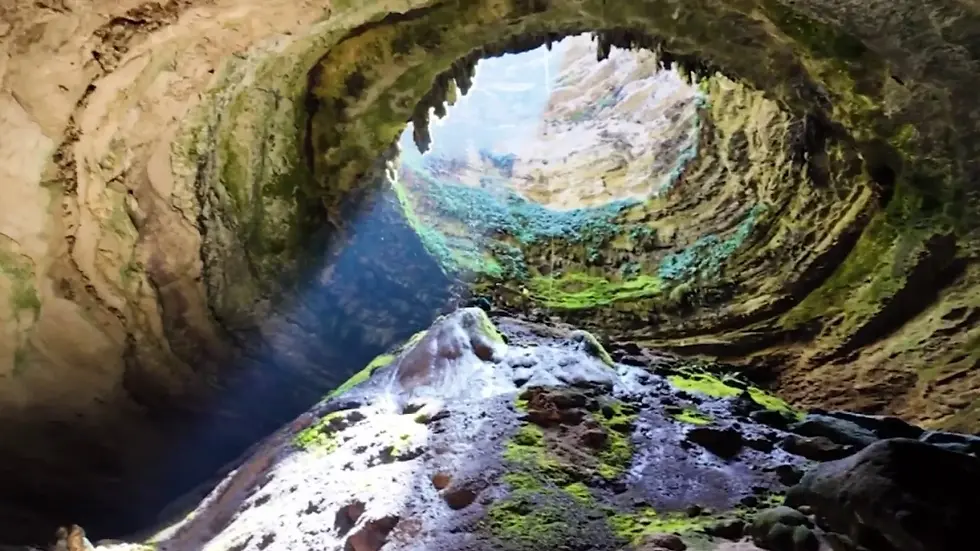
Near Rocksprings, Devil’s Sinkhole is a massive vertical cave that plunges over 400 feet straight down, creating one of the most dramatic geological formations in Texas. The sinkhole is home to a thriving colony of Mexican free-tailed bats, and at dusk, thousands of bats emerge in a breathtaking, swirling flight over the Hill Country.
This nightly exodus is not only a spectacular natural phenomenon but also an essential part of the local ecosystem, as the bats consume tons of insects every night. The sinkhole’s sheer scale, combined with the dynamic wildlife activity, makes it a rare and unforgettable experience for spelunkers, naturalists, and photographers.
Texas is a state of contrasts, where deserts meet rivers, mountains rise above plains, and underground caves hold hidden marvels. Each of these eight natural wonders represents a different facet of the state’s ecological and geological richness, offering experiences that are both awe-inspiring and educational.
Visiting these sites allows you to connect with the land, learn its history, and witness some of the most unique landscapes in the United States. Whether you’re hiking, kayaking, swimming, or simply soaking in the views, these natural wonders prove that Texas is more than big, it’s breathtaking.


Comments