Texas Is Opening a Massive New State Park in the Hill Country: Silver Lake State Park
- 22 hours ago
- 4 min read
Texas is preparing to add a major new destination to its outdoor map with the development of Silver Lake State Park, a sprawling new protected area in the Hill Country that will cover roughly 54,000 acres once fully established. That makes it one of the largest state park projects in Texas history and second only to Big Bend Ranch State Park in total size.

While it hasn’t officially opened yet, the scale of the land alone is already drawing attention. This isn’t a small neighborhood park or a weekend hiking spot being expanded. It’s an entire ecosystem being transitioned into public use, and it signals a long-term investment in outdoor recreation and conservation in Central Texas.
A major land deal for Texas conservation
The creation of Silver Lake State Park came through a significant public-private partnership.
A large portion of the land, about 87.5%, was donated by the Moody Foundation, with the Texas Parks and Wildlife Department (TPWD) purchasing the remaining interest for approximately $11.85 million. That combination of donation and purchase helped secure full public ownership of the property.
Deals like this are becoming increasingly important in Texas, especially in rapidly growing regions like the Hill Country where land values are rising and large undeveloped tracts are disappearing quickly. Instead of becoming subdivisions or private ranch developments, this land will remain open for public access, wildlife protection, and long-term conservation.
What makes Silver Lake stand out
One of the most interesting things about Silver Lake State Park is how varied the landscape is. Rather than focusing on a single attraction, the park brings together several distinct natural features within one continuous area.
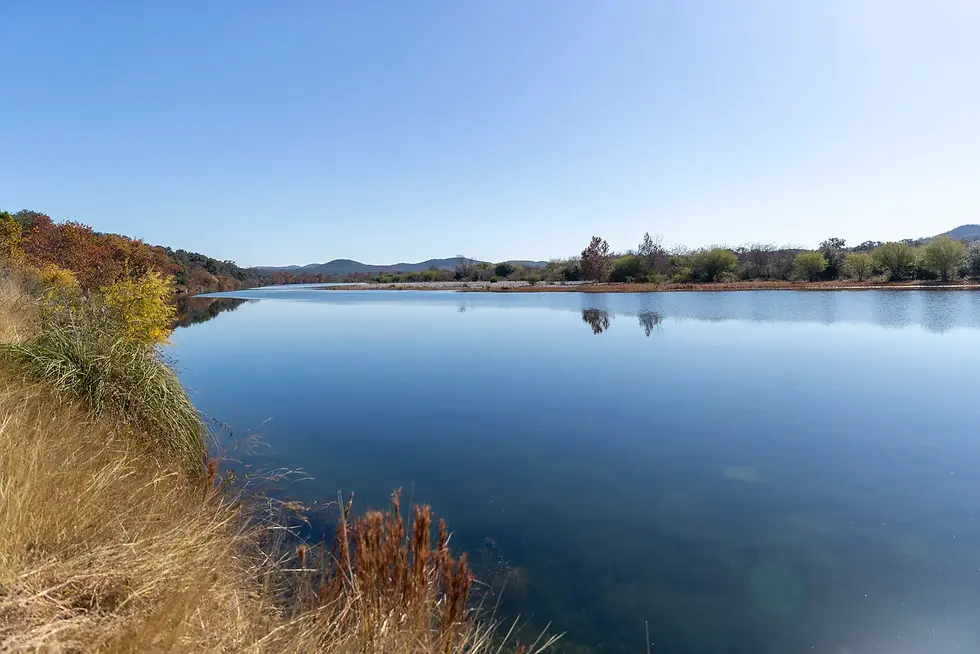
At its center is a 30-acre spring-fed lake, which is expected to become a focal point for future recreation once the park is fully developed. Around it, the terrain shifts into steep limestone canyons, rugged backcountry, and natural cave systems that reflect the geological complexity of the Hill Country region.
The park also includes frontage along the West Nueces River, adding another layer of water-based ecosystems and scenic views. This combination of river, lake, canyon, and cave environments in one park is relatively rare in Texas state park design, and it gives Silver Lake a wide range of potential uses in the future.
Wildlife and ecological importance
Beyond its scenery, the area is also ecologically significant. Silver Lake State Park is home to a mix of native Texas wildlife, including white-tailed deer, wild turkey, javelina, and dove species that are commonly seen throughout the Hill Country.
More notably, it also supports sensitive and region-specific species such as the greenthroat darter fish and the golden-cheeked warbler. The golden-cheeked warbler is especially important because it is an endangered species that breeds exclusively in Central Texas, relying on mature juniper-oak woodland habitats that are increasingly fragmented by development.
Because of this, parts of the park will likely require careful environmental management. Conservation will play a major role in how access is expanded over time, especially in areas where sensitive habitats are located.
A park that will open in phases
Unlike many established state parks, Silver Lake will not open all at once. Instead, TPWD has confirmed that development will happen in phases, beginning with limited and controlled access.
Early use is expected to include guided tours rather than full public entry, allowing the state to study the land, protect fragile ecosystems, and slowly introduce infrastructure like trails, parking areas, and visitor access points.
This gradual approach is common for large land acquisitions in Texas, especially when balancing public recreation with long-term environmental protection. It also means that while the park is officially “in development,” full recreational access may still be several years away.
Why this matters for Texas right now
The Hill Country is one of the fastest-growing regions in the state, and that growth has created increasing pressure on land, water systems, and wildlife habitats. Large public spaces like Silver Lake help counterbalance that growth by preserving open land and protecting natural resources.
It also expands access to outdoor recreation in a region where demand is rising quickly. Parks near major population centers often become heavily used, and having a large new destination like this can help distribute that pressure while giving residents and visitors more options for hiking, camping, and nature exploration.
In a broader sense, projects like this reflect a shift in Texas toward long-term land preservation strategies. Instead of smaller, scattered parks, there is growing focus on securing large, connected ecosystems that can support both recreation and conservation at scale.

Silver Lake State Park is still in its early stages, but it already represents one of the most ambitious park developments in Texas in recent years. With its mix of lake access, canyon terrain, river frontage, and rare wildlife habitat, it has the potential to become a flagship outdoor destination once fully open.
For now, it remains a reminder that some of the most significant changes in Texas are happening not in cities, but in the land being preserved between them.


Comments