North Texas Suburbs Are Booming Right Now
- 2 days ago
- 3 min read
North Texas continues to explode in growth, and the numbers are starting to show just how quickly these suburban communities are expanding. According to new data from the U.S. Census, the five fastest growing suburban cities in the entire United States are all located in Texas, with several of them right here in the Dallas-Fort Worth area.

For many people moving to DFW, the appeal is pretty clear. These suburbs offer newer homes, more space, strong school districts, and growing communities while still giving residents access to the job opportunities and amenities of the Dallas area. What used to feel like small towns are quickly turning into some of the hottest places to live in the country.
Celina Continues To Lead The Nation In Growth
Celina has officially been recognized as the fastest growing city in America for the second consecutive year, and the growth happening there is hard to ignore. Between 2024 and 2025 alone, the city’s population jumped nearly 25%, bringing the total population to more than 64,000 residents.
What makes that even more impressive is how quickly the city has changed in just a few years. Back in 2020, Celina’s population was under 17,000. Since then, new neighborhoods, schools, retail developments, and infrastructure projects have transformed the area into one of the biggest growth stories in the country.
A lot of buyers are drawn to Celina because it still offers that newer suburban feel while continuing to add restaurants, shopping, and community spaces at a rapid pace. It’s become especially popular with families looking for more space without completely leaving the DFW metroplex behind.
Princeton Is Growing At An Incredible Pace
Princeton, located northeast of Dallas, ranked as the third-fastest growing suburban city in the country. The city saw population growth of more than 18% over the last year, bringing its population to over 43,000 residents.
Like many North Texas suburbs, Princeton has experienced massive growth in a relatively short amount of time. In 2020, the population was just over 17,000 people. Since then, the area has attracted buyers looking for newer homes and relatively affordable opportunities compared to some of the more established Dallas suburbs.
As development continues moving outward from Dallas, cities like Princeton are seeing major demand from both first-time buyers and families looking for larger homes and newer communities.
Melissa And Anna Continue To Expand
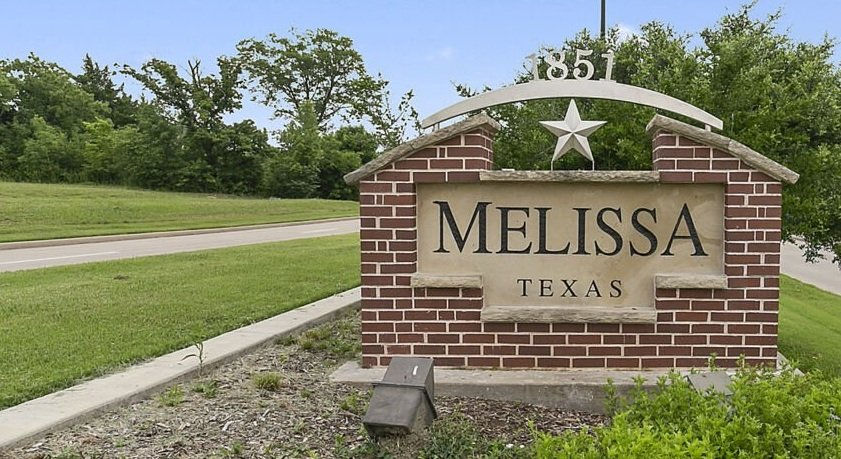
Melissa and Anna also landed among the top five fastest growing suburban cities in the nation, showing just how much momentum North Texas still has.
Melissa, located about 40 miles north of Dallas, reported a population increase of around 14% over the last year, bringing the city close to 30,000 residents. Many people are attracted to Melissa because it still maintains a quieter, small-town atmosphere while continuing to add new communities, schools, and businesses.
Anna is also continuing to evolve quickly. While the city has traditionally been viewed as more of a bedroom community for commuters working elsewhere in DFW, local leaders say the area is beginning to attract more business and employment opportunities of its own. That shift could make the city even more attractive for future growth as more companies and developments move north.
Why So Many People Are Moving To North Texas
The rapid growth across North Texas suburbs reflects a larger trend happening throughout DFW. Many buyers are prioritizing space, newer construction homes, and suburban communities that still offer access to major job markets.
Areas like Celina, Princeton, Melissa, and Anna continue attracting attention because they offer a mix of affordability, growth potential, and lifestyle improvements that many buyers feel are harder to find closer to central Dallas.
With continued population growth, new infrastructure projects, and expanding commercial development, these North Texas suburbs are quickly becoming some of the most in-demand places to live not just in Texas, but in the entire country.


Comments